
HOME
ABOUT US
HISTORY
PROJECTS
ARCHIVE
CONTACTS
ITA
BUILDING THE IDEAS
ABOUT US
"Building the ideas, planning the experience". Because ideas aren't improvised, they are created, just like any other major work, rationally, step by step. Because experience is not invented, it is planned, using knowledge that has been gained, to meet the expectations of the future".
Recchi Ingegneria e Partecipazioni S.p.A. is the holding and services company operating in the field of engineering and project and construction management. It was founded in 2003, drawing on the experience acquired by the Recchi Costruzioni Generali Group in five continents. For more than eighty years, Recchi has stood for a culture of construction, reliability, professionalism and executive and financial management capabilities in the handling of complex infrastructure and real estate ventures.
These qualifying factors are a feature of the services offered today by Recchi Ingegneria e Partecipazioni S.p.A.
The business strategy of Recchi Ingegneria e Partecipazioni S.p.A is based on the creation of an integrated network of companies specialised in the supply of services in the various fields of Engineering, Project & Construction Management. With an established network of expertise, a workforce that includes hundreds of specialised technicians and our highly efficient project control strategies, we are able to provide a well-planned structure for the entire project, from concept design to completion, with assurance for our customers of transparency in terms of responsibility and excellent results.
Building the ideas and planning the experience are the objectives by which we operate now to create the future.
RecchiEngineering s.r.l. is an engineering management company specialised in the field of design and project management for large construction and infrastructure works, both in Italy and abroad. The company operates mostly in the transportation, construction, urban development, sustainability, land use and environmental planning sectors.

Proger S.p.A is a leading Italian company providing integrated engineering and project and construction management services, able to develop innovative and large-scale projects and follow all phases of their implementation.


The modernisation of Italy
The history of Recchi Ingegneria e Partecipazioni dates back to 1933 with the founding of Impresa di Costruzioni Ing. Enrico Recchi in Turin. In the early years of business, which were marked by the death of the founder and the arrival of his brother Giuseppe Recchi, the company undertook civil engineering projects in Italy, specialising in the construction of electric power plants and major public infrastructure.
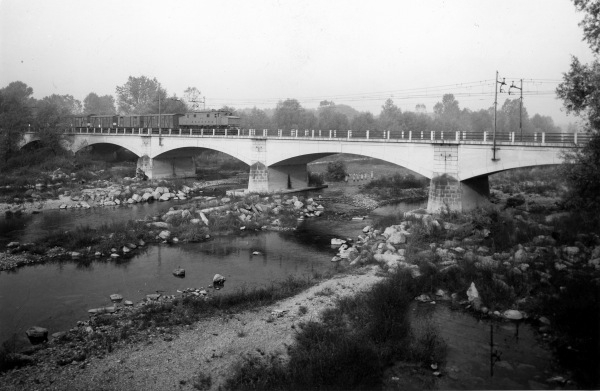
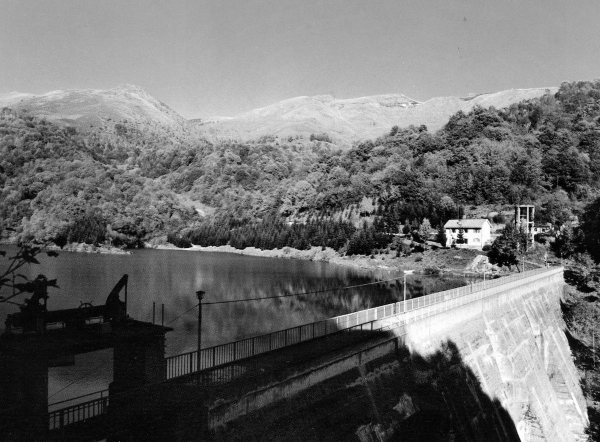
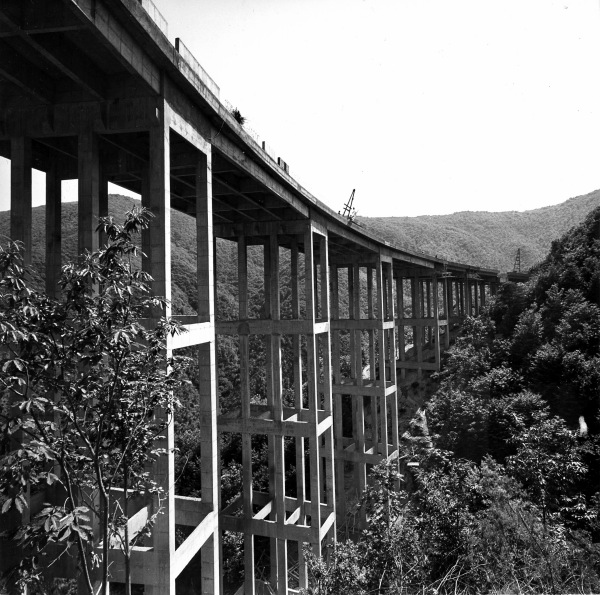
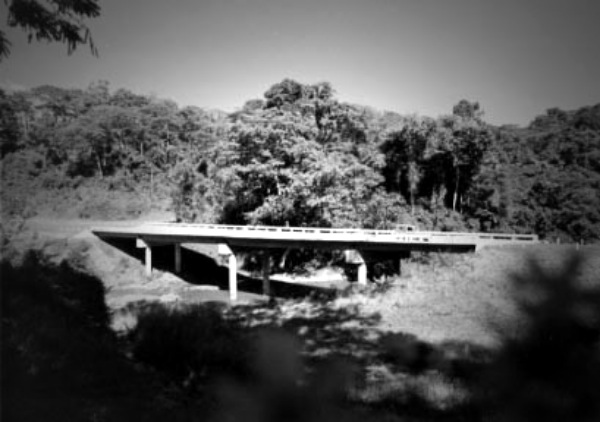
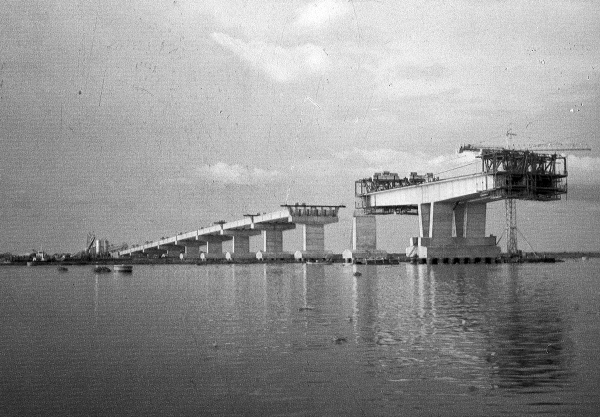
After the difficult years of World War II, the company contributed to Italy's national post-war reconstruction and development programme, building new hydroelectric power plants, an efficient national motorway network (the viaducts on the Turin-Savona and Rome-Milan motorways) and large infrastructure works (the railway bridges over the Po, Orco and Stura rivers and the Ponte Vittorio and lake Eugio dams).
Opening up to the international market
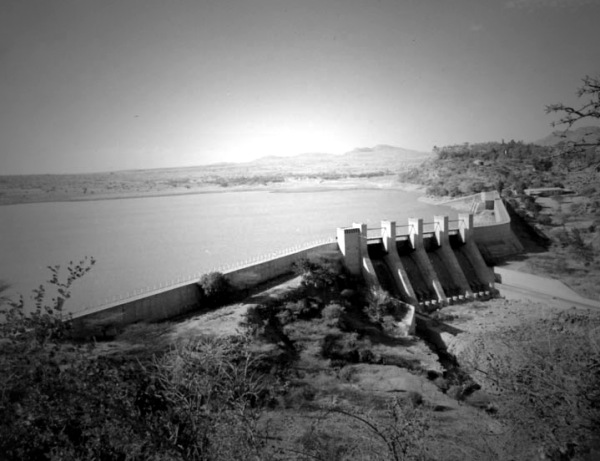
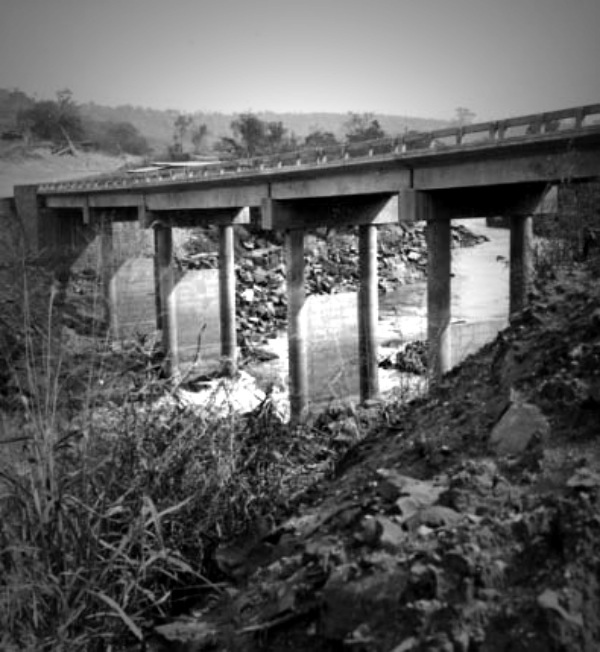
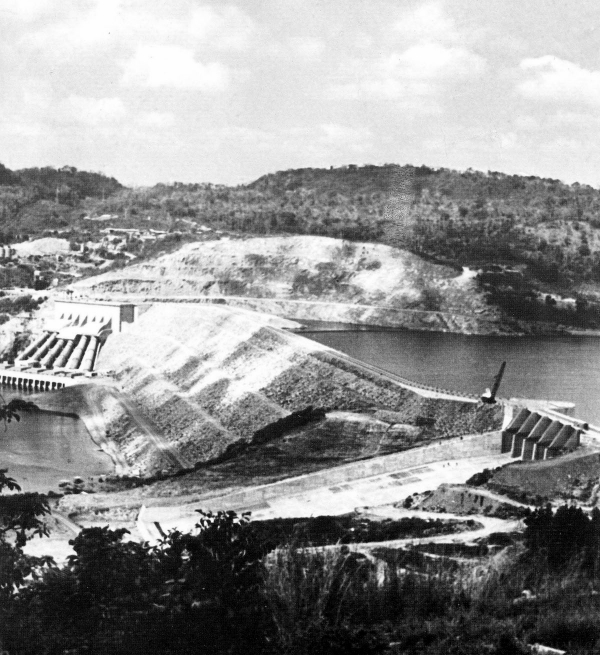
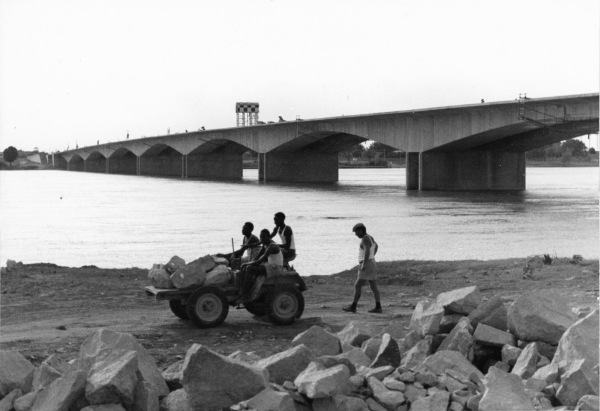
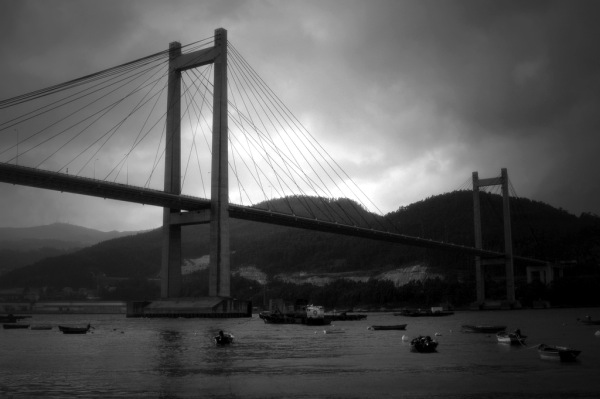
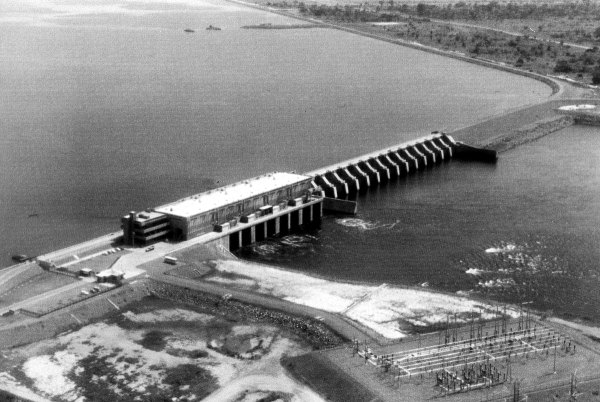
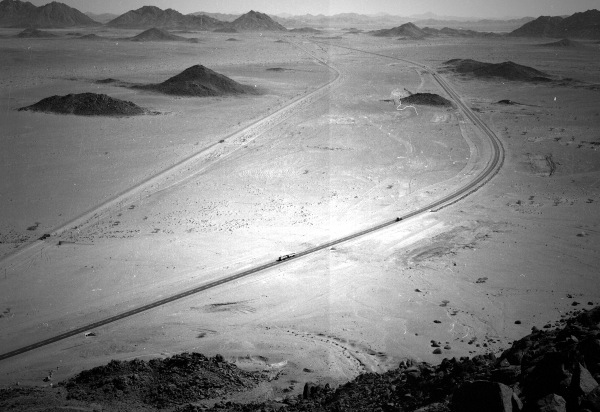
In 1952 the company undertook its first project abroad, the Ladhon hydroelectric power station in Greece. In the 1950s, leveraging its experience in the construction industry and its increased operational capacity,the company began operating on international markets. The setting up of Recchi S.p.A. Costruzioni Generali in 1959 represented a significant step in the company's history, as it continued to gather new contracts from around the world, especially in the emerging countries.Among the projects undertaken during that period were the Koka hydroelectric power station in Ethiopia, the Akosombo power plant on the River Volta in Ghana, the Shambat Bridge over the River Nile in Khartoum for the Republic of Sudan, the Blue Nile Gorge Highway, the roads from Lekempti to Ghimbi and Bedelle to Gore in Ethiopia and the Mwanza to Musoma road in Tanzania.
Prefabrication and residential housing
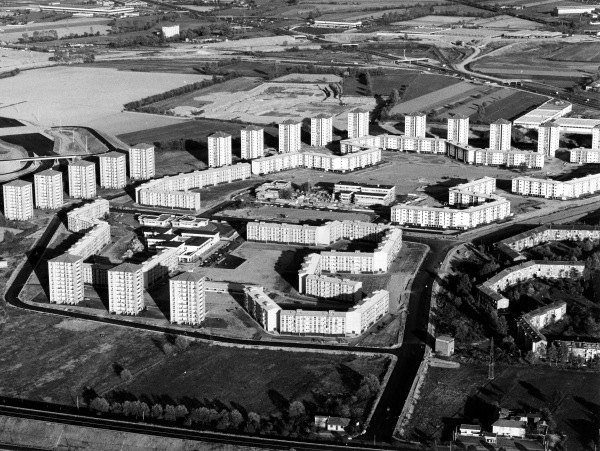
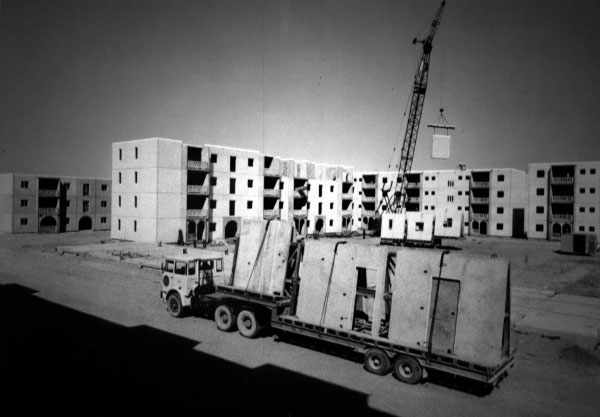
During the post-war period of reconstruction, the company specialised in the use of heavy prefabrication systems, developing its own technology (the Tunnel and Banches-Tables systems) and acquiring international patents (Tracoba). Careful planning, rationalisation of production, the solidity and durability of construction works, speed of implementation and competitive pricing were the defining factors of projects in the industrialised building sector during this period: the major project in Tripoli, Libya, St. Paul's Hospital in Addis Ababa, Ethiopia, and in Italy the development of the Falchera district in Turin as well as several other industrial buildings and schools.
Expansion into the industrial sector
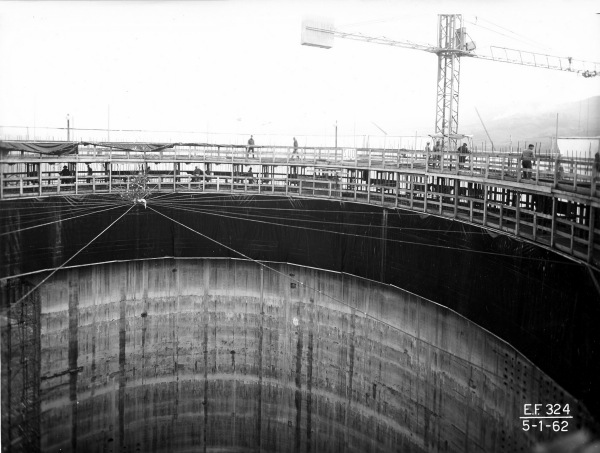
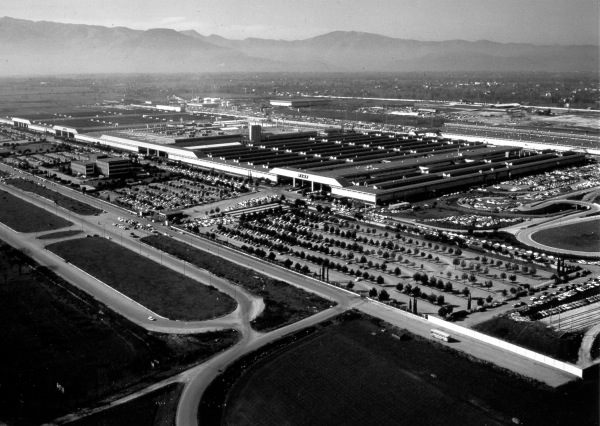
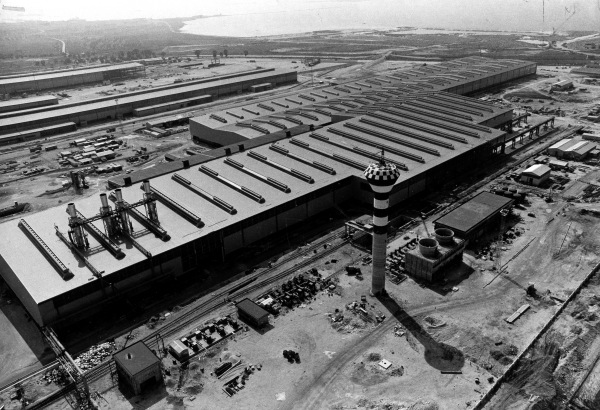
In the 1960s, having gained experience in the heavy prefab sector, the company branched out to the construction of industrial complexes. Projects undertaken during this period include the FIAT works at Rivalta, Cassino and Villastellone, the FIAT foundries in Carmagnola, the vehicle depot in Venaria, the Grandi Motori works in Trieste, the Pininfarina plant in Turin, the fourth iron and steel centre in Taranto and the steelworks in Milazzo. Among the projects undertaken abroad were the cement works in Addis Ababa, Ethiopia and the Dar es Salaam refinery in Tanzania. Between 1961 and 1965 the company built the "Enrico Fermi" thermonuclear power plant at Trino Vercellese, in the Italian province of Vercelli.
Expansion abroad and international recognition
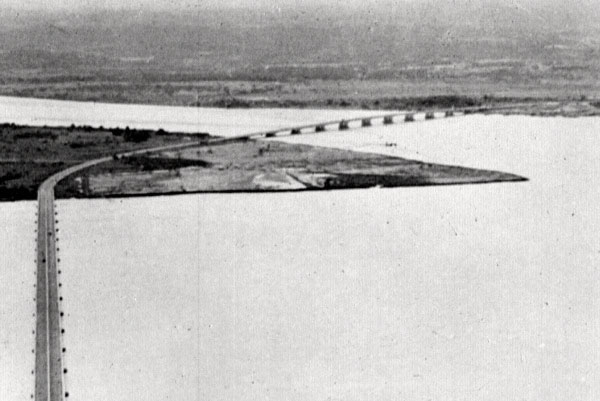
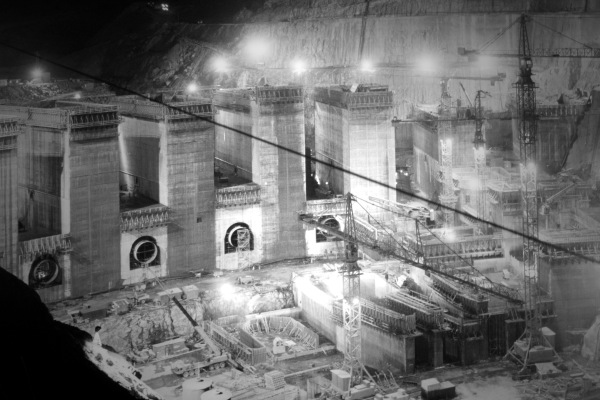
The 1970s were a period of renewed international expansion, with projects in France, Spain, Algeria, Libya, Kenya, Sudan, Ghana, Tanzania, Somalia and Zambia and then, under the leadership of Enrico Recchi, in Latin America (Argentina, Colombia, Ecuador, and the Dominican Republic). In the 1980s Recchi was twice winner of the prestigious Ingersoll-Rand Award, an international prize for construction companies. The first award, in 1982, was for the construction of the White Nile road bridge in Kosti (Sudan), which featured on the Central Bank of Sudan's 20 piastre note. The second, in 1989, was for the Karakaya hydroelectric power plant on the Euphrates River in Turkey. With the founding of Recchi America Inc. in 1987 the company entered the US market. Projects undertaken there include the Acosta road bridge over St. John's River in Jacksonville, Florida, the bridge spanning the Chesapeake canal in Delaware, the Miami People Mover metrorail system and various public and residential buildings.
On the threshold of the new millennium
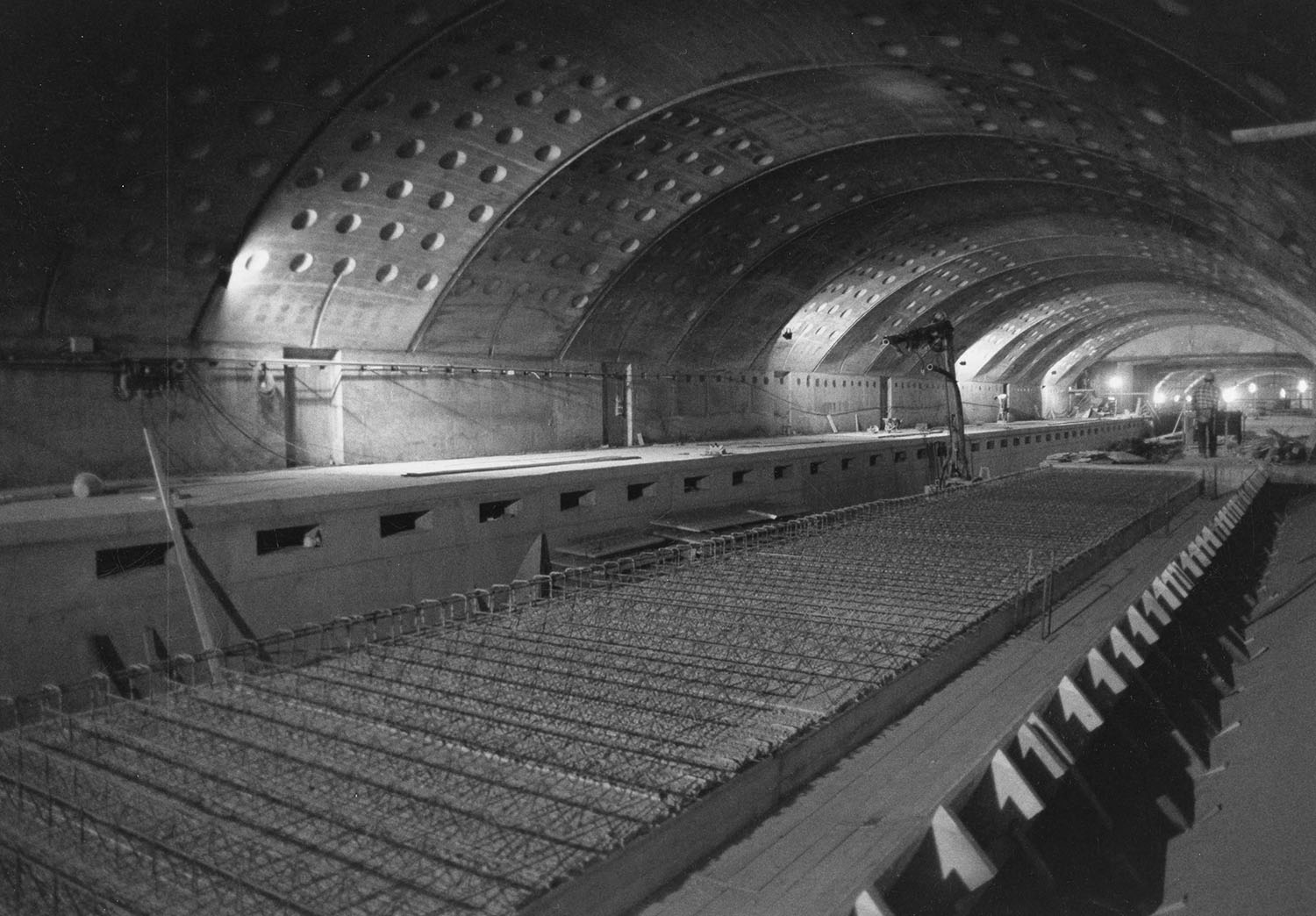
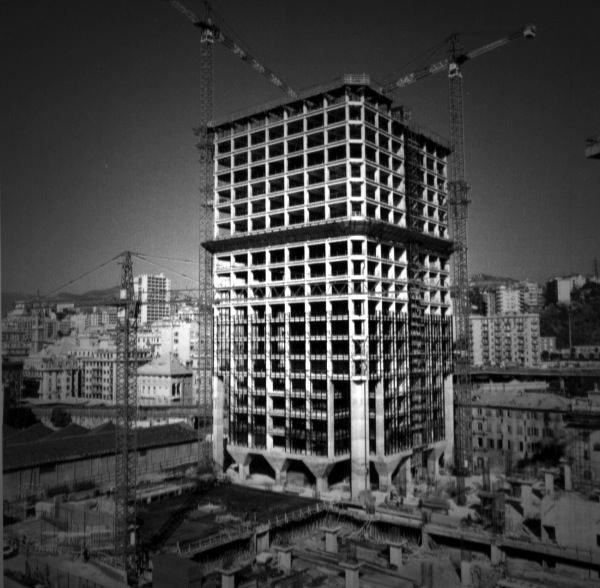
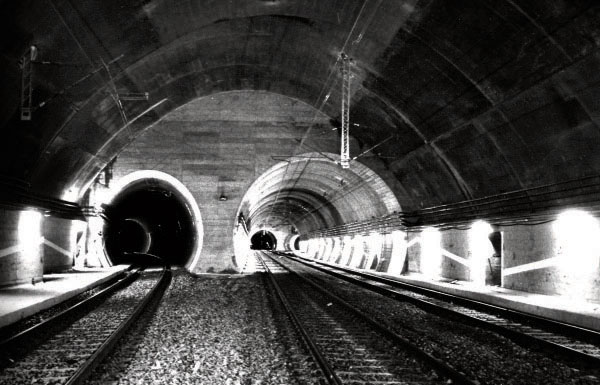
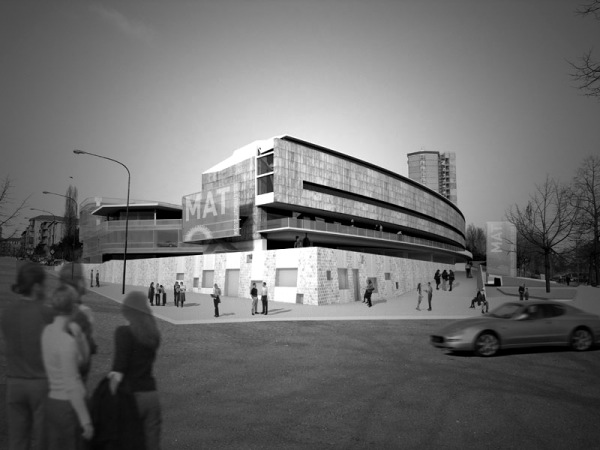
In the 1980s, the company started to focus on developing more efficient management strategies to make it more competitive at international level, increasingly playing the role of general contractor. In the field of environmental protection, it completed the sewage treatment plant as part of the land reclamation project in the Gulf of Salerno. Projects in the infrastructure sector featured the upgrading of the Turin metropolitan railway junction, the Milan underground railway system and the high-speed tram line system in Naples. Building works included the San Benigno World Trade Centre in Genoa, the CNR headquarters in Florence, the Court in Turin and the head office of the Central Bank of Italy in Frascati, Rome. In 2003 the Recchi Ingegneria e Partecipazioni S.p.A. holding company was founded, under the chairmanship of Claudio Recchi, to improve integrated management of major national and international projects. In 2006 Recchi was Main Sponsor of "Torino 2006", the 20th Olympic Winter Games, and constructed Turin's new Olympic Stadium. In 2005 the company won the international contract to extend and modernise Turin's National Automobile Museum, which the British newspaper The Times ranked among the 50 best museums
Globalisation and new markets
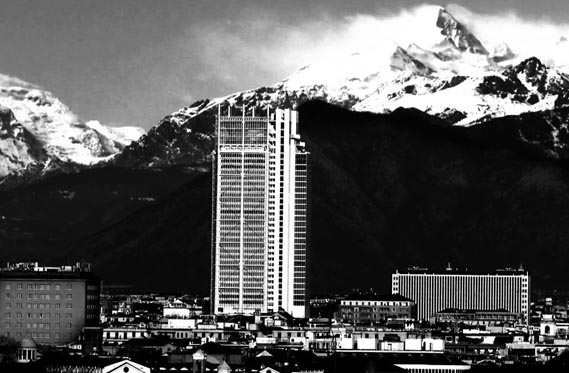
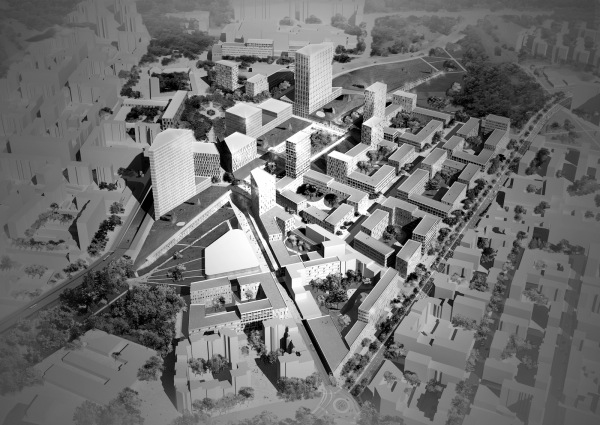
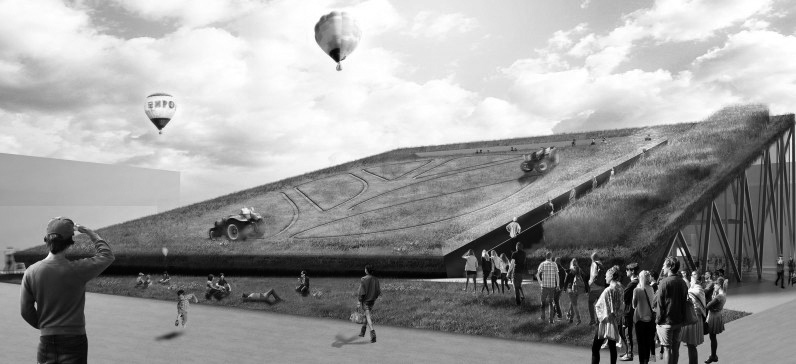
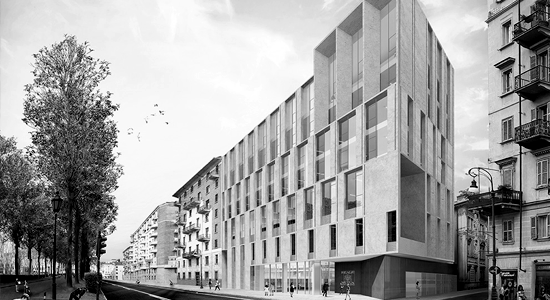
In the age of globalisation, the holding has opened up, through its subsidiaries, to new markets in Asia, and undertaken projects in the United Arab Emirates, and infrastructure works in Kazakhstan, China and Russia. Here in Italy, it contributed to the construction of the new Intesa Sanpaolo headquarters in Turin, designed by the Renzo Piano Building Workshop, and the Italy pavilion for Expo 2015. It is also involved in the management of major urban redevelopment and transformation projects. In 2012 Recchi won the international contract for the ambitious long-term V200 project launched by Turin City Council to transform the north-eastern part of the city over the next twenty years.

Preserving the memory, tracking innovation
The documents, held at the holding's headquarters, have been inventoried and classified, thanks to an archive improvement and re-classification project launched in 2009. They reflect the company's desire to track the progress that has been made in the construction industry, the way human settlements have been transformed, and the social and cultural changes that have taken place. Photographs, footage, projects that tell the story of a company from Turin, an international story spanning more than 80 years, that documents progress in twentieth-century Italy.
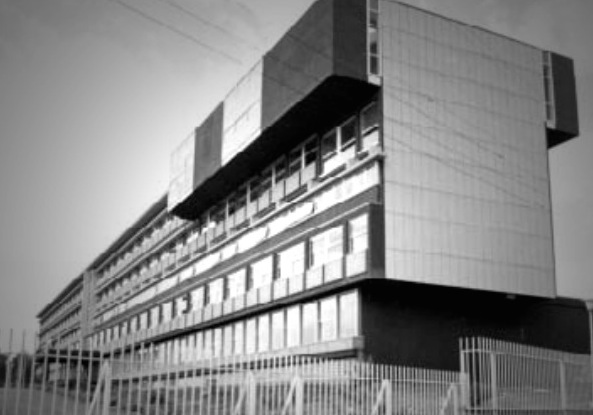
Recchi's Historical Archive is held in Via Montevecchio, Turin, at Casa Custoza Recchi, the building designed for the company in the 1960s by the architects Aimaro Isola and Roberto Gabetti. The Archive contains some 50 linear metres of books, papers, microfilm, photographs and film footage. The photographic section includes more than 5,000 images, with photographs, slides, negatives, test films and plates, taken by professional photographers, from Riccardo Moncalvo to Gabriele Basilico.
Recchi's film heritage
The film section of Recchi's Historical Archive includes films on the construction of projects, interviews, commercial and cultural productions, as well as narrative documentaries with contributions by important names in the film industry. Of particular interest is the documentary by the Japanese artist Koji Miyazaki, on the construction of the Karakaya in , hydroelectric power plant in Turkey, which has received several international industrial film awards.
In 2012, in view of the quality and exceptional nature of its footage, Recchi embarked on a project in partnership with the Archivio Nazionale Cinema d'Impresa (National Industrial Film Archive - ANCI), to digitise more than 250 films. These are now available in digital form on Cinemaimpresatv, the youtube Industrial Film channel.
In 2014 a selection of the footage from Recchi's Historical Archive was included in "The Devil's Soup" ( "La zuppa del demonio") a documentary directed by Davide Ferrario about industrial progress in twentieth-century Italy, presented at the 71st Venice International Film Festival.
For more information about Recchi's Historical Archive please contact us using this link
Tel. + 39.011.506.9519
Fax +39 011.506.9535
>
top